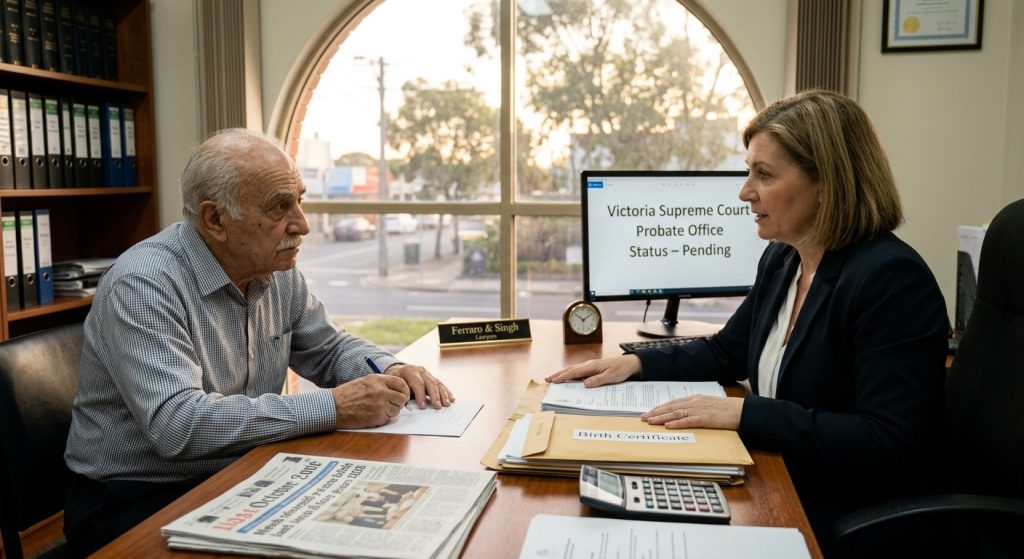
Preparing your will is one of the most important legal decisions you will ever make. It determines how your assets are distributed, who will administer your estate, and often who will care for your children. Because of what is at stake, it deserves more than a quick, generic solution – it deserves careful thought and proper legal guidance.
We understand why online will templates and AI-generated documents are appealing. They are marketed as fast, simple and inexpensive alternatives to seeing a lawyer. But before relying on them, it is worth pausing to consider not just the perceived convenience, but the very real risks involved.
The Perceived Advantages
Cost-Effective
Online templates and AI-generated wills are often promoted at a fraction of the cost of engaging a solicitor. Some are free, others require only a small download fee. If you are looking for a quick and inexpensive solution, this can understandably be attractive.
Convenience and Accessibility
Completing a will online allows you to do so at home, in your own time, without booking an appointment. Most platforms simply ask a series of questions and generate a document automatically. It feels efficient and straightforward.
Privacy
For some people, discussing personal or family matters face to face can feel uncomfortable. Entering information into an online form may seem easier and more private.
Suitable for Very Simple Estates
In limited situations, for example, where there is a single beneficiary and no complex assets, a basic template may appear to address immediate needs.
However, what many people don’t realise is that the risks are not always obvious at the outset. That is often why even a short conversation with a lawyer can make a significant difference.
The Hidden Risks and Limitations
Lack of Tailored Advice
A template cannot truly understand you.
It does not explore your family dynamics, financial structure or long-term objectives. It cannot ask follow-up questions or identify issues you may not have considered. Blended families, estranged relatives, vulnerable beneficiaries and potential family provision claims all require careful planning. A generic document simply cannot address these complexities in a meaningful way.
Technical Drafting Errors
A will is a detailed legal document. Small variations in wording can significantly change the legal effect of a clause.
Many people signing template-based documents do not fully understand what each clause means or how it operates in practice. Ambiguity or incorrect terminology can lead to disputes, delays and unintended outcomes. When it comes to estate planning, technical accuracy is critical.
Improper Execution and Validity Concerns
There are strict legal requirements governing how a will must be signed and witnessed. If those formalities are not properly followed, the will may be invalid.
Online platforms do not verify legal capacity, assess potential undue influence or create detailed records or file notes that may later be required to defend the will if challenged. When a solicitor supervises the process, these matters are carefully considered and documented, significantly reducing the risk of future disputes.
Incomplete Control Over Assets
Many people assume their will covers all of their assets. Unfortunately, that is not always the case. For example:
- jointly owned property may pass automatically to the surviving owner despite what your will states;
- superannuation often requires a valid binding nomination, failing which payment is at the discretion of the trustee; and
- assets held in a trust are governed by the trust deed.
Without proper advice, you may sign a document believing everything is covered, when in fact significant assets fall outside its scope. This can create confusion, frustration and unintended consequences for your executors and beneficiaries.
Greater Expense in the Long Term
While online wills appear cost-effective, the cost of correcting mistakes or resolving disputes can far exceed the initial saving. Contested estates, delays in administration and litigation often result in substantial legal fees, typically paid from the estate itself.
What seems inexpensive at the beginning can ultimately reduce the inheritance you intended to leave to your loved ones.
Our Approach to Estate Planning
Engaging a lawyer is not simply about drafting a document. It is about understanding your circumstances, identifying potential risks and providing strategic advice tailored to you.
We take the time to listen, to ask the right questions and to ensure your wishes are clearly and legally expressed. Even estates that appear straightforward can involve complexities that are not immediately obvious.
Preparing a will is not about filling in a form. It is about protecting your family, minimising the risk of dispute and ensuring your intentions are carried out.
When it comes to something this important, we strongly encourage you to seek personalised legal advice.