
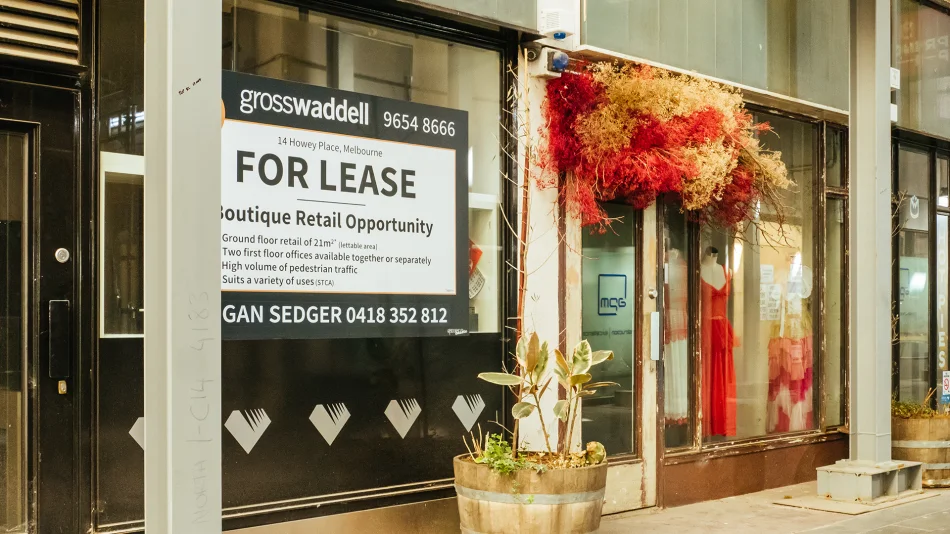
Retail Leases – Key Issues for Tenants to Understand
Entering into a retail lease is often one of the most significant financial commitments a business will undertake. While the Retail Leases Act 2003 (Vic) (“the Act”) provides important statutory protections, it does not remove the commercial risk associated with leasing premises.
Understanding how retail leases operate – both legally and commercially – can assist tenants in identifying potential risks before entering long-term commitments.
- The True Cost of Occupation
Rent is only one component of the total cost under a retail lease.
Tenants are commonly required to contribute to:
- Outgoings (such as council rates, insurance and maintenance expenses)
- Marketing or promotional levies (particularly in shopping centres)
- Utility charges (such as water and electricity)
- Annual rent increases, calculated by reference to Consumer Price Index (CPI), fixed percentage increases or market reviews
A lease that appears affordable at face value can become financially unsustainable once outgoings and annual rent increases are factored in.
- Permitted Use and Operational Flexibility
The permitted use clause defines what business you are legally allowed to operate. If it is drafted too narrowly, you may restrict your ability to adapt or expand your business model.
In shopping centres, tenants should also consider whether an exclusivity clause is available to prevent direct competitors operating nearby.
- Lease Term and Options
Under the Act, retail tenants are generally entitled to a minimum five-year term unless that right is formally waived. When assessing the term of a lease, relevant considerations may include:
- The cost of any fit-out works
- The period required to establish the business
- Conditions attached to exercising any option to renew
- Notice periods for exercising options
Clarity around renewal rights can be important for long-term planning.
- Make Good Obligations
Make good provisions frequently give rise to disputes at the end of a lease.
These clauses may require tenants to:
- Remove installed fit-out
- Reinstate the premises to their original condition
- Repair damage
- Undertake repainting or refurbishment
Without careful review, a tenant may face significant end of lease costs.
- Relocation and Demolition Clauses
Some leases permit a landlord to relocate a tenant within a centre or terminate the lease for redevelopment purposes.
These clauses are regulated by the Act and typically involve specific notice and compensation requirements. If not carefully reviewed and considered these clauses can materially impact business continuity.
- Personal Guarantees
Where a lease is entered into by a company, landlords commonly require directors to provide personal guarantees. This may expose personal assets in the event of default by the tenant entity.
Retail leases involve both legal and commercial considerations. Careful review of the lease documentation prior to signing can assist in identifying potential risks and financial commitments.
The information provided in this article is general in nature, if you have a retail lease and require specific advice, please contact our office and one of our business lawyers will be able to assist you.